Features
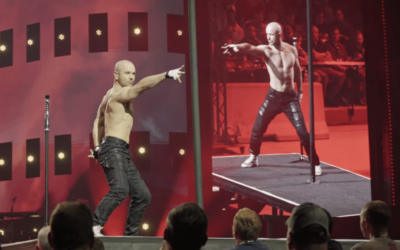
#199: Stripping at the Altars: the Banality of Deconstruction
Matt, Jady, and Nick discuss the church and masculinity in light of the recent Stronger Men’s Conference before turning their attention to a comparison between hired hands (John 10) and exvangelicalism.

A Tale of Two Lost Sheep
In a happy and sane world, we would be constantly having our work interrupted, and be killing ourselves in the evenings and on the weekends because of all the parties we’d have to throw as sinners clamored to get into the Kingdom of God.
#198: Three For One: Voting Abortion, Hays’ Immoral Vision, and Stripper Salvation
Matt, Jady, and Nick discuss Trump’s statement on abortion, talk about Richard Hays’ new book and seeming about-face on sexuality, and consider the idea that online prostitutes are too far gone to find Jesus (spoiler: they’re not).

#197: Serious Good News: A Sermon for Easter Sunday
Jady preaches a sermon on Christ’s resurrection for Easter Sunday.

What’s Wrong With You? A Reflection on three Vigil Texts
Photo by Pisit Heng on Unsplash Of all the people in the Bible, Noah’s wife has always had my greatest sympathy. Good wives—and I speak from experience because I am one—make space in their lives for the existential disquiet of their husbands. Many people in the Bible...
#196: He Has Done It: A Sermon for Good Friday
Matt preaches a sermon on Psalm 22 for Good Friday.
Quite Literally The Most Loving Thing
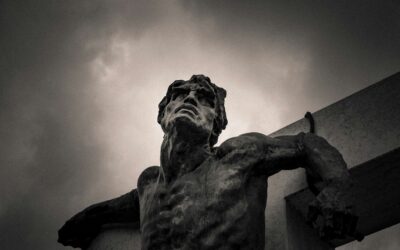
Discovering you are wrong and are committed to the wrong people and ideas is painful. So painful that each of us resist it to the outermost parts of the sea. But even there the Lord can go and snatch a creature out of the clutches of Satan. This is technically the most loving thing that can ever happen to anyone, even though it might be unpleasant in the moment. But how comfortable is it to get your cheeks pierced and your kneck tattooed? I feel like having to chat with a Christian in the beauty section of Marshalls wouldn’t even barely compete.

#195: No Longer Against the Grain: A Conversation with Shane Morris
Jady and Nick welcome Shane Morris of the Colson Center to the podcast. They consider the supposed difference between private faith and public discourse, talk about life “with the grain” of God’s good design, and discuss the new creation mandate.

#194: The Heart of the Matter: Men and Women, Body and Soul
Matt, Jady, and Nick consider the Diocese of South Carolina’s recent convention as a microcosm of the ACNA as a whole, talk about diocesan interrelationships, and discuss the importance of discussing men and women at the creation-order level.
But God…
“And you,” explains Paul, “were dead in the trespasses and sins in which you once walked, following the course of this world, following the prince of the power of the air, the spirit that is now at work in the sons of disobedience…” Isn’t it disappointing, though, that the sons of disobedience would have to be church clerics? Oh well.
#193: Sorry Not Sorry: Christ, Culture, and Apologizing for Evangelism
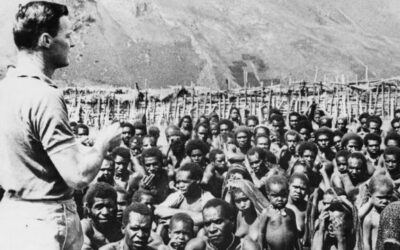
Matt and Jady talk about the Church of England’s recent report calling for an apology for their history of ministry in Africa. They discuss the biblical view of false gods, evangelism and the early church, and the benefits of Christian “imperialism.”
#192: The Guy Behind the Guy: Christian Nationalism, Natural Law, and the Origin of Everything
Matt, Jady, and Nick talk about a new wrinkle in the Christian Nationalism conversation: the source of your rights. They discuss God’s pre-existence before the state, what natural law means, and how a preeminent God is actually Good News.

#191: Get Lent, Pharisees: Protestantism and Lent, Embryonic Children, and Concupiscence Again
Matt, Jady, and Nick discuss three separate issues: how evangelical Protestants should approach Lent, a recent ruling in Alabama regarding IFV embryos, and why disordered attraction is sinful, even if you don’t act on it.

Love the Sinner, Hate the Sin
So the first thing we might say is that Jesus does love people. But he loves them in a different kind of way than we expect. He identifies with them. But how he identifies with them changes their identity entirely. His kind of love and his kind of identification, in the words of NPR, is deeply controversial, and that is because, at its very heart, it includes a peculiar kind of hate.

#190: In Your Letter: Another Stand Firm Mailbag
On this episode of the Stand Firm podcast, Matt, Jady, and Nick dig into the mailbag and discuss how they came to their views on women's ordination, the new "He Gets Us" Super Bowl ad, and the online conversation about Elisabeth Elliot. Help send Stand Firm to...
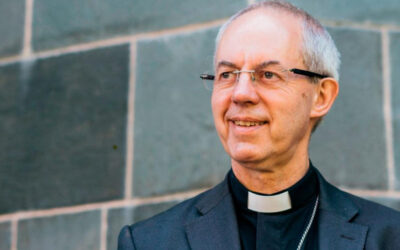
The Scandal of the Church of England Enabling Criminal Migration
The scandal of abusing the offices of the church and even the Holy Name of Jesus to aid criminal migration probably will not stay in the U. K. and the Church of England.
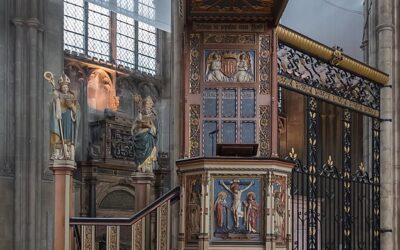
Sick At Heart
The thing to remember about the time in which we live is that it is a death work. It is a death space. It is a death belief. It is death. Everything about it is to destroy the human soul and drag it into hell as fast as possible. And what are you going to do? Living, as you do, in a world—not just a nation, but a world—that has chosen death to be its Shepherd?
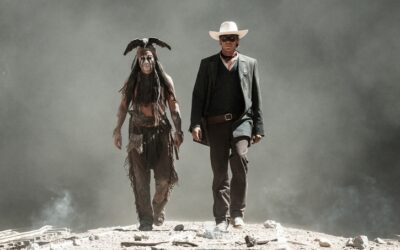
#189: Lone Ranger Anglicans? Collegiality, Congregationalism, and a Questionable Crisis
Matt, Jady, and Nick discuss the nature of the ACNA, talk about the breadth of American Anglicanism, and consider how it relates to the current crisis (or is it one?) regarding the ordination of women.

There Are People Dying
I feel like this is all relevant because the thing that all the people and children of the world always want is bread. But they want the bread on their own terms. They either want to get it themselves, or they agree to get it from Satan, instead of trusting God for everything. A lot of well-meaning Christians and philanthropists fall into confusion on this point. They go abroad and they see such enormous material need that they are overwhelmed. They don’t know where to start.

#188: Doubling Down? Alistair Begg, Calvin Robinson, and the Continuing Conversation
Matt, Jady, and Nick review the latest developments around Alistair Begg’s controversial comments and Calvin Robinson’s contentious talk at Mere Anglicanism.
 Podcast

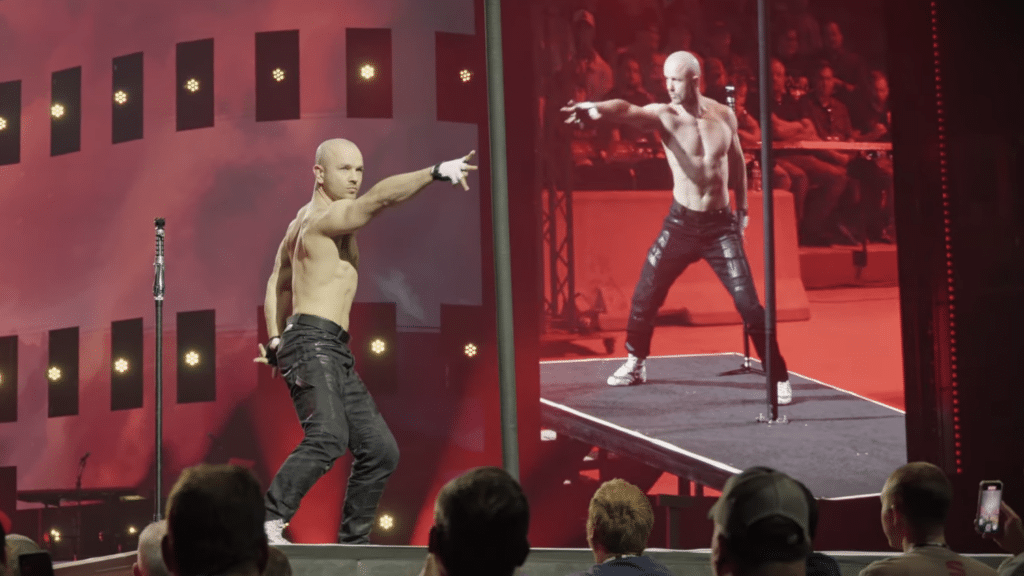
#199: Stripping at the Altars: the Banality of Deconstruction
Matt, Jady, and Nick discuss the church and masculinity in light of the recent Stronger Men’s Conference before turning their attention to a comparison between hired hands (John 10) and exvangelicalism.
#198: Three For One: Voting Abortion, Hays’ Immoral Vision, and Stripper Salvation
Matt, Jady, and Nick discuss Trump’s statement on abortion, talk about Richard Hays’ new book and seeming about-face on sexuality, and consider the idea that online prostitutes are too far gone to find Jesus (spoiler: they’re not).
#197: Serious Good News: A Sermon for Easter Sunday
Jady preaches a sermon on Christ’s resurrection for Easter Sunday.
#196: He Has Done It: A Sermon for Good Friday
Matt preaches a sermon on Psalm 22 for Good Friday.

#195: No Longer Against the Grain: A Conversation with Shane Morris
Jady and Nick welcome Shane Morris of the Colson Center to the podcast. They consider the supposed difference between private faith and public discourse, talk about life “with the grain” of God’s good design, and discuss the new creation mandate.

#194: The Heart of the Matter: Men and Women, Body and Soul
Matt, Jady, and Nick consider the Diocese of South Carolina’s recent convention as a microcosm of the ACNA as a whole, talk about diocesan interrelationships, and discuss the importance of discussing men and women at the creation-order level.
#193: Sorry Not Sorry: Christ, Culture, and Apologizing for Evangelism
Matt and Jady talk about the Church of England’s recent report calling for an apology for their history of ministry in Africa. They discuss the biblical view of false gods, evangelism and the early church, and the benefits of Christian “imperialism.”

#192: The Guy Behind the Guy: Christian Nationalism, Natural Law, and the Origin of Everything
Matt, Jady, and Nick talk about a new wrinkle in the Christian Nationalism conversation: the source of your rights. They discuss God’s pre-existence before the state, what natural law means, and how a preeminent God is actually Good News.

#191: Get Lent, Pharisees: Protestantism and Lent, Embryonic Children, and Concupiscence Again
Matt, Jady, and Nick discuss three separate issues: how evangelical Protestants should approach Lent, a recent ruling in Alabama regarding IFV embryos, and why disordered attraction is sinful, even if you don’t act on it.

#190: In Your Letter: Another Stand Firm Mailbag
On this episode of the Stand Firm podcast, Matt, Jady, and Nick dig into the mailbag and discuss how they came to their views on women's ordination, the new "He Gets Us" Super Bowl ad, and the online conversation about Elisabeth Elliot. Help send Stand Firm to...
#189: Lone Ranger Anglicans? Collegiality, Congregationalism, and a Questionable Crisis
Matt, Jady, and Nick discuss the nature of the ACNA, talk about the breadth of American Anglicanism, and consider how it relates to the current crisis (or is it one?) regarding the ordination of women.

#188: Doubling Down? Alistair Begg, Calvin Robinson, and the Continuing Conversation
Matt, Jady, and Nick review the latest developments around Alistair Begg’s controversial comments and Calvin Robinson’s contentious talk at Mere Anglicanism.
#187: Rent Asunder? Calvin Robinson at Mere Anglicanism
Matt, Jady, and Nick talk about the recent controversial Mere Anglicanism Conference. They discuss Calvin Robinson’s talk there, what the reaction to it reveals about ACNA, and the idea that a Christian can attend a same-sex “wedding” in good conscience.
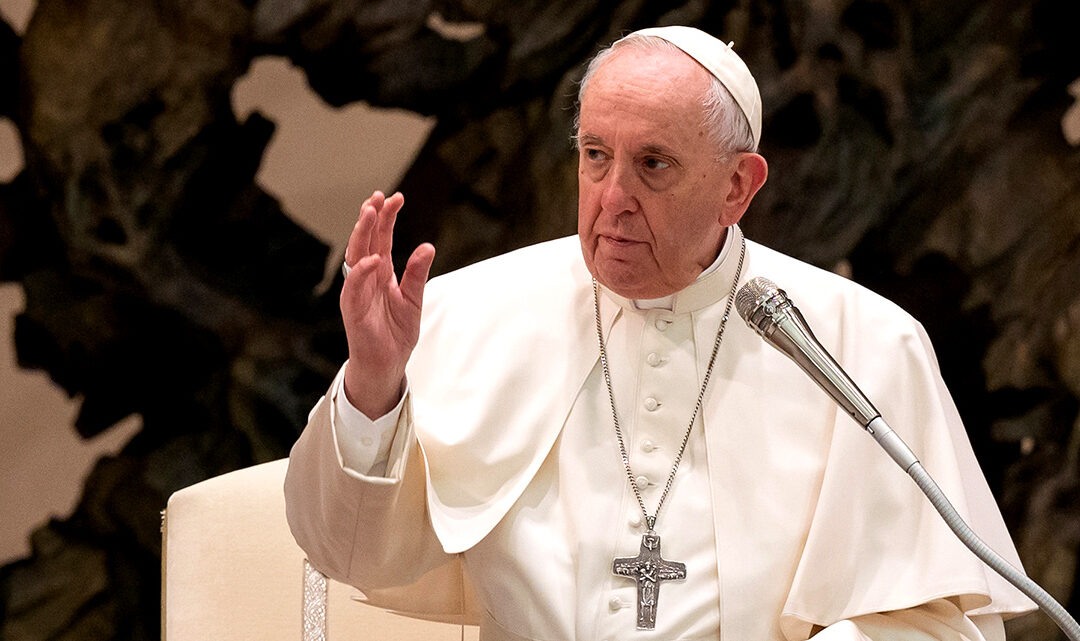
#186: Pope on the Ropes: Francis, the Catholic Church, and Recent Controversies
Matt, Jady, and Nick talk about three recent controversial actions of Pope Francis: Fiducia Supplicans and same-sex couples, his dalliances with Marxists, and his comments about the potential emptiness of Hell.
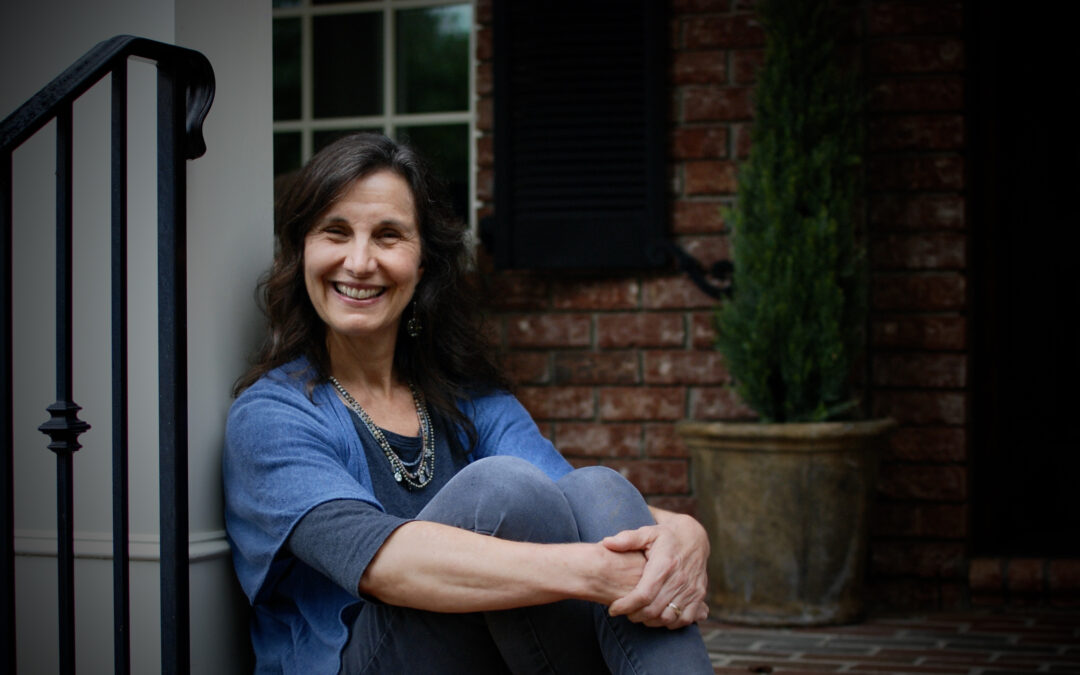
#185: Knowing What Time It Is with Rosaria Butterfield
Matt, Jady, and Nick talk with Rosaria Butterfield about her new book, the doctrine of concupiscence, the importance of repentance, and more. In all of it, they remember the Good News that Jesus Christ is for broken sinners.
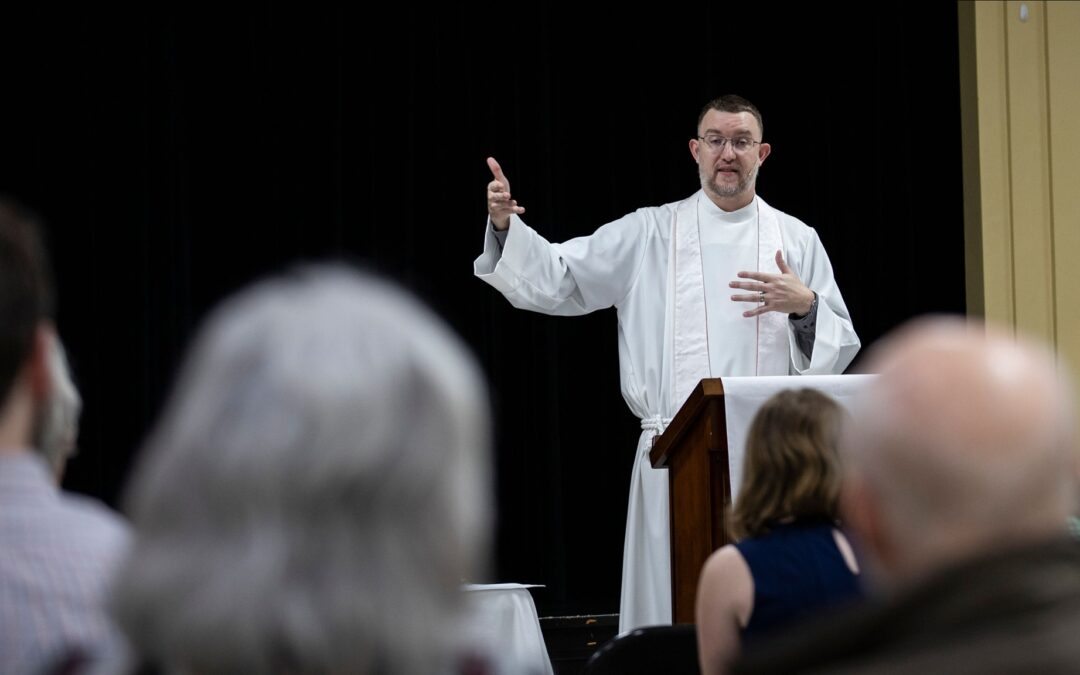
#184: Sermons of Christmas: Nick Lannon
For the last “Christmas Break” podcast, enjoy a sermon preached on Christmas Eve 2021 by the Rev. Nick Lannon. The text for the occasion was Isaiah 9:2-7.
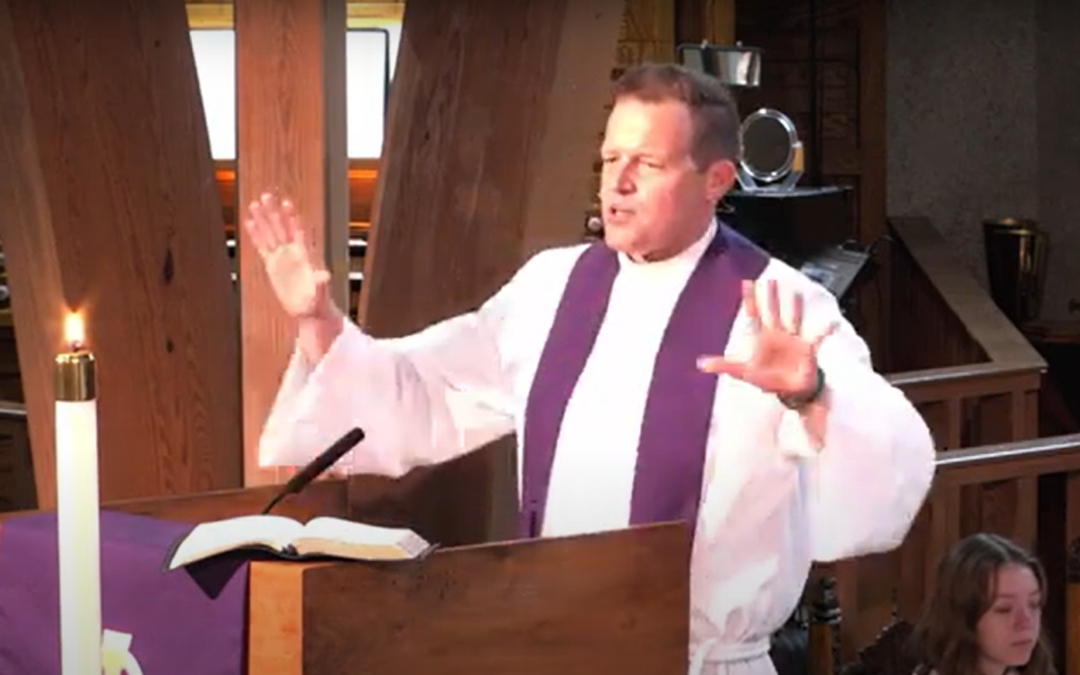
#183: Sermons of Christmas: Jady Koch
Enjoy this Christmas sermon preached on Christmas Eve 2021 by the Rev. Dr. Jady Koch at Christ Anglican Church, Mt. Pleasant.
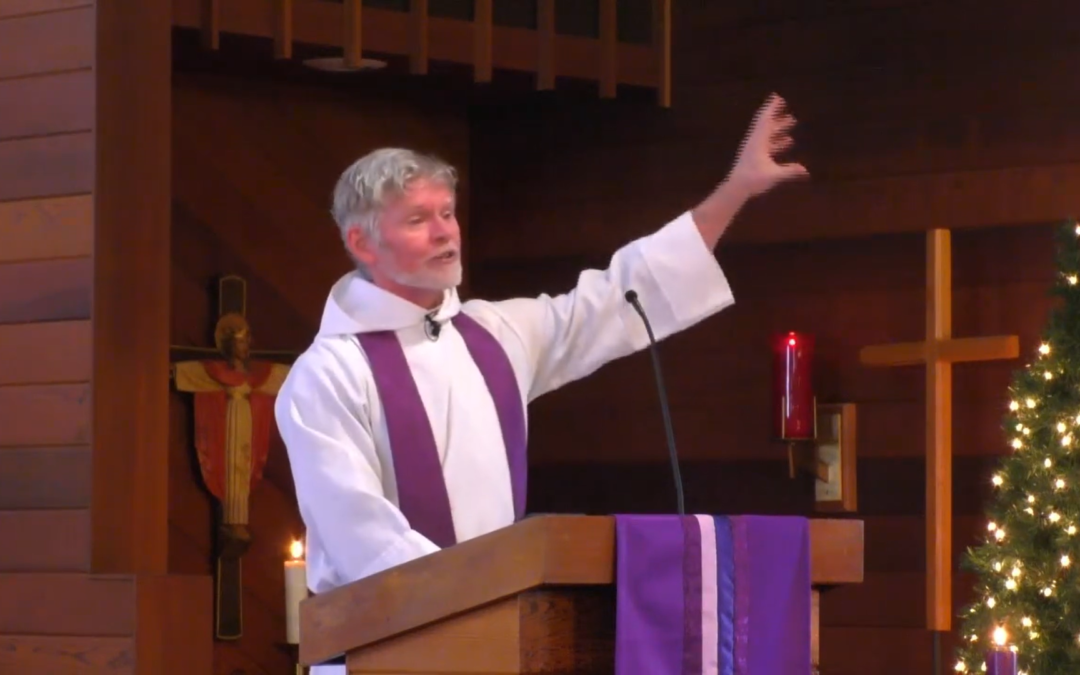
#182: Sermons of Christmas: Matt Kennedy
With the three hosts taking a break from podcasting for Christmas, Stand Firm is excited to repost a Christmas sermon this week from the Rev. Matt Kennedy. Preached in 2022, this sermon took Luke 2:1-14 as its text.

#181: The Final Countdown: An Eschatology Conversation
Matt, Jady, and Nick discuss four major views of the end times and Revelation: full preterism, amillenialism, premillienialism, and postmillenialism. They outline the models and consider some arguments for and against each one.
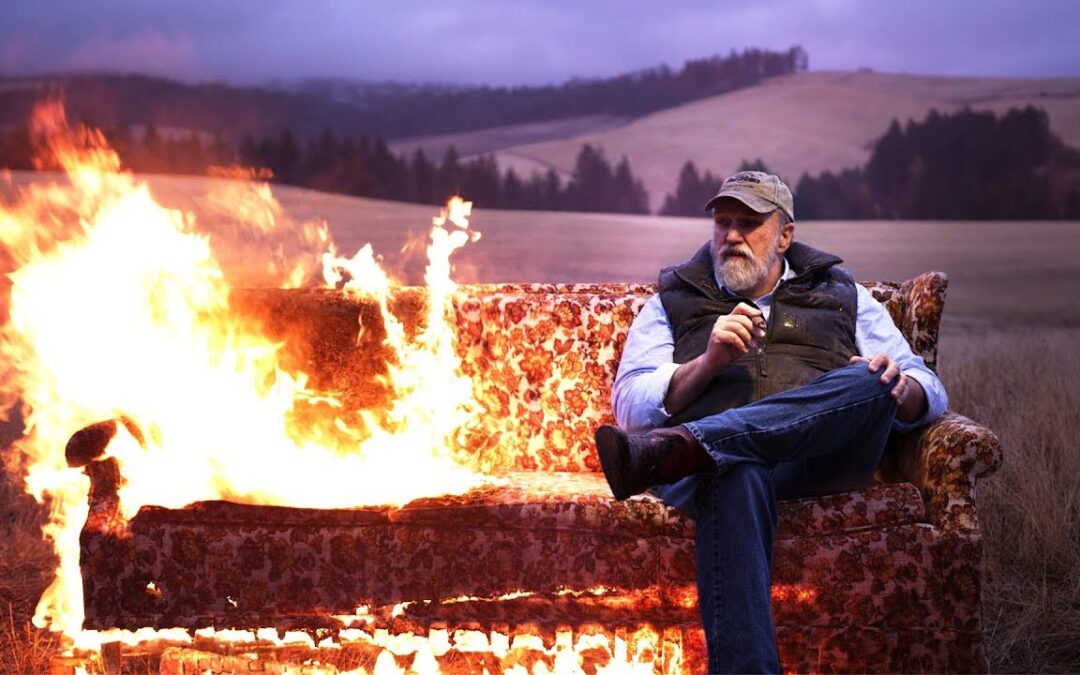
#180: Moscow Rude? Doug Wilson, Kevin DeYoung, and Christian Rhetoric
Matt, Jady, and Nick discuss Kevin DeYoung’s recent critique of the “Moscow mood” and Doug Wilson’s response. They talk about the limits of strong language, the good and bad of Wilson (and co.), and what makes a compelling Christian argument.